The Restoration

The Ross Island lagoon has been partly filled from past permitted placement of sediments from navigational dredging in the Portland Harbor and fill from Portland’s Big Pipe project, as shown in the cross section below. The envisioned reclamation of Ross Island will utilize additional permitted fill placed in the deepest parts of the pit under the lagoon. The fill material would come from the beneficial reuse of non-hazardous sediments from the Portland Harbor Superfund Site, navigational dredging and other permitted sources. These sediments would be permanently secured and capped with clean sediments to provide a secure matrix for the aquatic habitat.

A Future Public Treasure
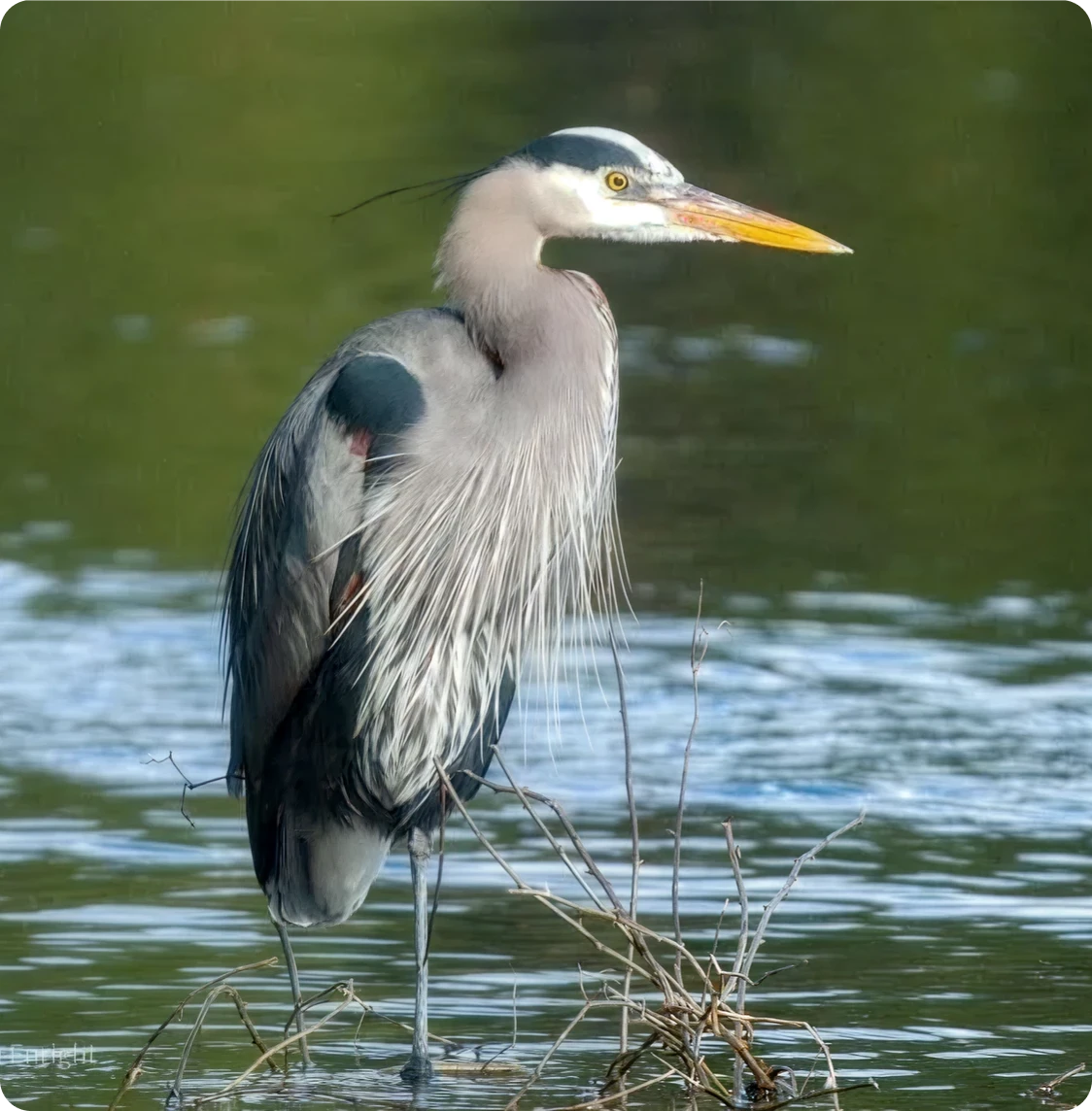
By 2040-2042, the restoration will be complete. Ross Island, its lagoon, East Island and Hardtack Island will be transferred to public ownership, creating a premier urban nature preserve alongside the Oaks Bottom Wildlife Refuge.
Benefits of the HeronPark Reclamation Proposal
The reclamation proposal includes several actions to restore Ross Island that will provide benefits to the community, including the following:

Combat Algal Blooms
-
Reduction of harmful algal blooms that have occurred in the Ross Island lagoon during later summer months
Ecological Renewal
- Creation of a publicly owned nature preserve
- New habitat for juvenile fish and migratory and nonmigratory birds
Industrial Cleanup
- Removing derelict equipment and debris from Ross Island and Hardtack Island.
- Improved seismic stability of the lagoon pit and improved foundation for habitat restoration

Sustainable Future
- Dramatically reduced transportation impacts and air emissions associated with the Portland Harbor Superfund Site cleanup.
-
Savings to City of Portland water rate payers and State of Oregon taxpayers because the beneficial use of non-hazardous Portland Harbor Superfund Sediments for reclamation will reduce cleanup costs for the City of Portland and State of Oregon.
Timeline & Transparency
The journey from industrial site to nature preserve is a multi-year commitment involving community input, tribal engagement, and strict regulatory oversight.
2026-2027
Commitments of sediment volumes from Portland Harbor Superfund Site Potentially Responsible Parties; Development of Financial Assurance Plan; Commitment from Public Agency for future ownership.
2027-2028
Evaluation of harmful algae bloom mitigation options; Preliminary engineering design; Closing on HeronPark acquisition of Ross Island; Application for new or revised permit to Oregon Department of State Lands, Department of Environmental Quality, and U.S. Army Corps of Engineers: Public comment process.
2029
Site preparation and the start of fill placement (aligned with annual fish-protection windows).
2029-2039
Implementation of reclamation scope, including cap, in concert with placement of sediments
2040-2042
Project completion and transfer to public ownership.
How It’s Funded
This restoration is a self-sustaining project. Funding is generated through user fees from sediment producers, with financial assurances provided by reclamation bonds and a post-closure trust. No public tax dollars are required for the restoration itself, ensuring a high-quality result that protects Portland’s environment for generations.